Tenemos todo lo que buscas.

Exploring the psychology behind casino games

The allure of chance: Understanding risk-taking behavior
The excitement of casino games often stems from the inherent uncertainty they provide. Players are drawn to the thrill of risk-taking, displaying behaviors that can be attributed to the psychology of gambling. The unpredictable nature of outcomes encourages individuals to engage, driven by a desire to beat the odds and win at best betting sites australia that offer various incentives. This risk-taking behavior can be linked to the brain’s reward system, where the anticipation of a win releases dopamine, creating feelings of pleasure and reinforcing gambling as a compelling activity. For many, the rush of playing is comparable to other forms of high-stakes action, making it an exhilarating pursuit.
Furthermore, the concept of loss aversion plays a significant role in gambling psychology. Research indicates that individuals tend to fear losses more than they value equivalent gains, making the prospect of winning irresistible. This fear can lead to chasing losses, where players continue to gamble in hopes of recovering what they’ve lost. Such behaviors highlight the emotional stakes involved in gaming, escalating the allure of casino games and contributing to their widespread appeal. The internal struggles players face, from the exhilaration of potential wins to the despair of losses, intensify the psychological complexity of gambling.
Additionally, social factors can enhance the psychological draw of casinos. The environment is often designed to be inviting and exhilarating, featuring vibrant colors, engaging sounds, and enticing visuals. This atmosphere not only encourages participation but also fosters a sense of community among players. Social interactions during gameplay can amplify excitement, making it even harder for individuals to resist the lure of chance. The combination of social dynamics and the thrill of risk creates a compelling experience that intertwines with the very fabric of human enjoyment and competition.
The impact of design and environment on gameplay
The physical layout and design of casinos are meticulously crafted to influence player behavior. From the moment individuals step inside, they are enveloped in an atmosphere tailored to encourage extended play. Strategic placement of games, the use of bright lights, and the absence of clocks are all deliberate tactics used to disorient and immerse players in the gaming experience. This design creates an environment where time loses significance, often leading to longer play sessions and increased spending. For example, the winding pathways within casinos can lead players deeper into the venue, making it difficult for them to exit without feeling compelled to play just one more game.
Moreover, elements such as sound play a crucial role in enhancing the excitement of gameplay. The sounds associated with slot machines, such as chimes and bells, reinforce the notion of winning and keep players engaged. Even the music that fills the casino can manipulate emotions, stimulating feelings of victory or excitement. This sensory manipulation contributes to a cycle of continuous play, as players become more invested in the gaming experience and less aware of their duration in the casino. The overall effect is one of immersive entertainment, where the environment itself becomes a part of the gaming experience.
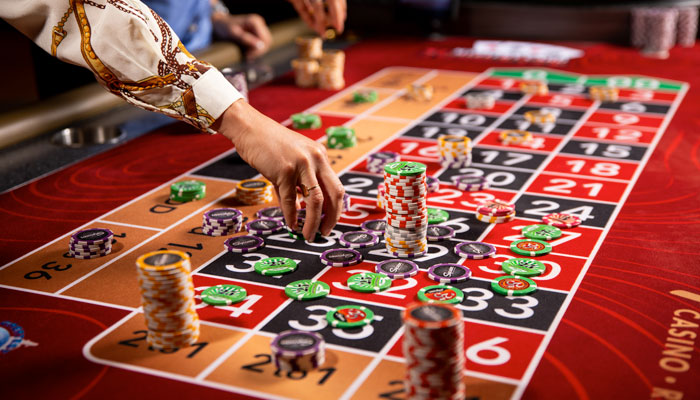
Lighting also serves as a powerful psychological tool within casino design. Bright lights can signify a celebratory atmosphere, enhancing the perception of winning. Conversely, dimly lit areas can create an air of intimacy, encouraging players to linger and engage in games for longer periods. This careful orchestration of the environment subtly influences decisions, making it essential for casinos to maintain an engaging atmosphere that caters to the psychological desires of their patrons. The interplay of light and sound, combined with the physical arrangement of games, creates a captivating landscape that draws players in and keeps them coming back.
The role of emotions in gambling decisions
Emotions significantly influence gambling behavior, affecting the decisions players make in real-time. The thrill of anticipation, for instance, can heighten engagement, leading individuals to place bets or spin the reels with fervor. This emotional rollercoaster—combined with the potential for monetary gain—can create a compelling argument for continuing play, even in the face of losses. The adrenaline rush associated with risk-taking can cloud judgment, making it difficult for players to recognize when to walk away. The interplay of excitement and risk is a potent combination that keeps players returning for more.
Additionally, the phenomenon of “gambling with emotions” often takes center stage in games of chance. Players may rely on intuition or emotional states to guide their decisions, allowing feelings of confidence or anxiety to dictate their actions. This emotional investment can lead to irrational betting patterns, where players place higher stakes under the influence of heightened emotions, potentially escalating losses. The psychological concept of “tilt,” derived from poker terminology, underscores the importance of emotional regulation in gambling. When players experience frustration or disappointment, they may go “on tilt,” leading to poor decision-making and impulsive behavior.
Understanding the relationship between emotions and decision-making is crucial for both players and operators looking to implement responsible gaming practices. Strategies for emotional control are essential in preventing negative outcomes, and educating players about the influence of emotions on their gambling habits can foster healthier attitudes. Providing resources and support for emotional awareness can empower players to make informed decisions, ultimately transforming their gaming experience into one that emphasizes enjoyment rather than compulsion.
Behavioral patterns and player addiction
The psychology of casino games also encompasses potential behavioral issues, particularly gambling addiction. Many individuals may find themselves drawn into a cycle of compulsive gambling, which can have severe financial and emotional consequences. Understanding the psychological mechanisms behind addiction is essential for recognizing the signs and promoting healthier gambling habits. Factors contributing to this addiction include social influences, emotional distress, and cognitive biases, all of which can create an environment ripe for compulsive behavior.

Cognitive distortions, for example, can lead players to develop an inflated sense of control over random events. Believing they can predict outcomes or feeling as though they are “due” for a win can perpetuate gambling habits, making it difficult to break free from this cycle. This misconception fuels continued participation despite negative consequences and highlights the importance of education regarding the true nature of chance and risk in gaming. Addressing these cognitive biases is vital for fostering an informed player base that recognizes the realities of gambling.
Moreover, social and environmental factors can exacerbate addictive behaviors. Peer pressure and social reinforcement can normalize or encourage excessive gambling, creating a sense of community around it. Understanding these influences is crucial for implementing effective support systems for those struggling with compulsive gambling. Organizations focused on responsible gaming can provide resources, counseling, and interventions that emphasize the importance of awareness and proactive strategies to foster healthier attitudes towards gaming.
Discovering a responsible gaming environment online
As the landscape of gambling continues to evolve with technology, the psychology of online gaming platforms has also become a focal point for research and understanding. Online casinos have crafted experiences that emulate the excitement of traditional venues while also presenting new challenges in terms of player behavior. The convenience of gambling from home can lead to increased frequency and volume of play, making it essential for operators to create responsible gaming environments. This shift necessitates a heightened focus on the psychological elements that impact online betting behaviors.
The online gaming sphere emphasizes the importance of policy initiatives aimed at promoting responsible gambling. Educating users about the risks associated with online casino games is crucial for fostering a more aware player base. Operators can support this by providing resources, tools for self-assessment, and options for setting deposit limits. Transparency about odds and the nature of games is essential for empowering players to make informed decisions and mitigate the potential for harmful behaviors. An informed player is more likely to enjoy gaming without falling into compulsive patterns.
Moreover, the online environment offers unique opportunities for intervention through technology. Algorithms can be utilized to identify patterns indicative of problematic gambling behavior, allowing for real-time support and resources to be offered to users in need. By fostering a culture of responsibility and support, online platforms can enhance the player experience while simultaneously addressing the psychological factors that lead to unhealthy gambling practices. Creating an environment that prioritizes mental well-being can help ensure that gaming remains a source of enjoyment rather than a source of distress.